
Beyond the Meter: Understanding Drinking Water Quality, Total Dissolved Solids, and pH
 Edmund J. Martinez, MBA, MPH, PMP
7 min read
Edmund J. Martinez, MBA, MPH, PMP
7 min read
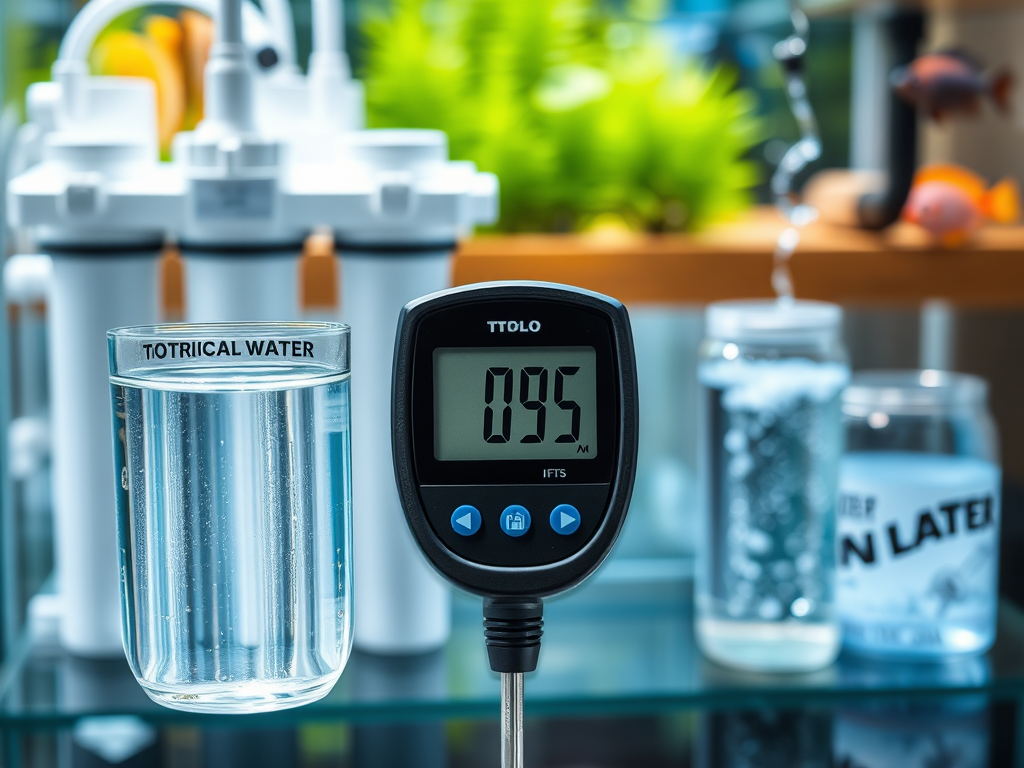
One day I went to fill up a five-gallon water jug for a cold-water dispenser and I came across this family-owned water dispenser business. The owner was proud of his water filtration system; he was all too happy to give me a brief tour of how the water flows into his treatment system and hard water with high total dissolved solids (TDS) was discarded. He pulled out a TDS meter and showed me his water in comparison to regular municipal water. His filtered water was measuring below 20ppm while the municipal water was well above 600ppm. I was sold! Pour me a 5-gallong container of water please!
One day I got into the hobby of collecting tropical fish and purchased a 30-gallon tank. While researching water treatment and filtration, I realized this freshwater aquarium was a miniature biodome and chemistry set. Like a chemist, I had to check the ammonia levels, nitrate, and nitrogen.
The filtration system required just as much attention. I had to check the carbon stones, mesh filters, and bio stones. These did more than collect debris, they were home to beneficial bacteria required to control the ammonia and nitrogen levels by consuming harmful waste. Depending on the type of fish, I had to control my pH levels. Some fish like acidic and some like more basic. As a side note, I discovered most fish bought in pet shops are bred in municipal tap water, so they thrived in a neutral pH range (6.5–8.0).
My aquarium’s TDS reading was over 1000 ppm, but I learned that was perfectly fine. Instead of worrying about a single number, my focus was on adding chemicals to neutralize hard metals and chlorine, which are deadly to the bacteria I needed. It was at this point I realized that water quality is about more than just a TDS meter and a single reading.
After a long hiatus, I want back to my community water dispensary store and notice there are other types of water, Regular, Alkaline and a new process (new to the U.S.) called Kangen® water. I wanted to know exactly how much of this was marketing propaganda and what are legitimate processes and measurements when looking into drinking water.
Total Dissolved Solids (TDS)
Getting straight to the point, measuring a water’s Total Dissolved Solids (TDS) is the least reliable method in testing water. TDS refer to the combined content of all inorganic and organic substances dissolved in water, including minerals, salts, and metals and is measured in parts per million (ppm). Although being an unreliable method of testing, it is a key indicator of water purity, taste, and potential health impact. Level fluctuations can originate from many sources and factors such as:
- Natural mineral springs
- Agricultural runoff
- Industrial discharge
- Urban wastewater
- Water treatment processes (e.g., reverse osmosis)
Some dissolved solids can be beneficial such as calcium and magnesium. Heavy metals from corroded plumbing and contaminants can pose a potential health risk. There is a “sweet spot” when measuring TDS. Too low, indicates not enough nutrients; too high, indicates possible contamination. Depending on the level of dissolved solids, will also impact clarity and taste of the water. General rule regarding TDS in drinking water is indicated on this chart:
| TDS Range (ppm) | Classification | Description |
| 0–50 | Very Low | Ultra-pure water; may taste flat and lack essential minerals |
| 50–150 | Excellent | Ideal range for taste and health; contains beneficial trace minerals |
| 150–300 | Good | Safe to drink; slightly minerally taste, may leave light residue |
| 300–500 | Acceptable | EPA upper limit; noticeable taste changes, potential for scaling |
| >500 | High to Unsafe | May contain harmful contaminants; treatment recommended before consumption |
Regulatory Guidelines
- The U.S. Environmental Protection Agency (EPA) sets a secondary standard of 500 ppm for TDS in drinking water, primarily for aesthetic reasons (Galloway, 2004)
- The World Health Organization (WHO) suggests that TDS levels should ideally remain below 600 ppm for palatability and safety (Safe Drinking Water Foundation, 2017)
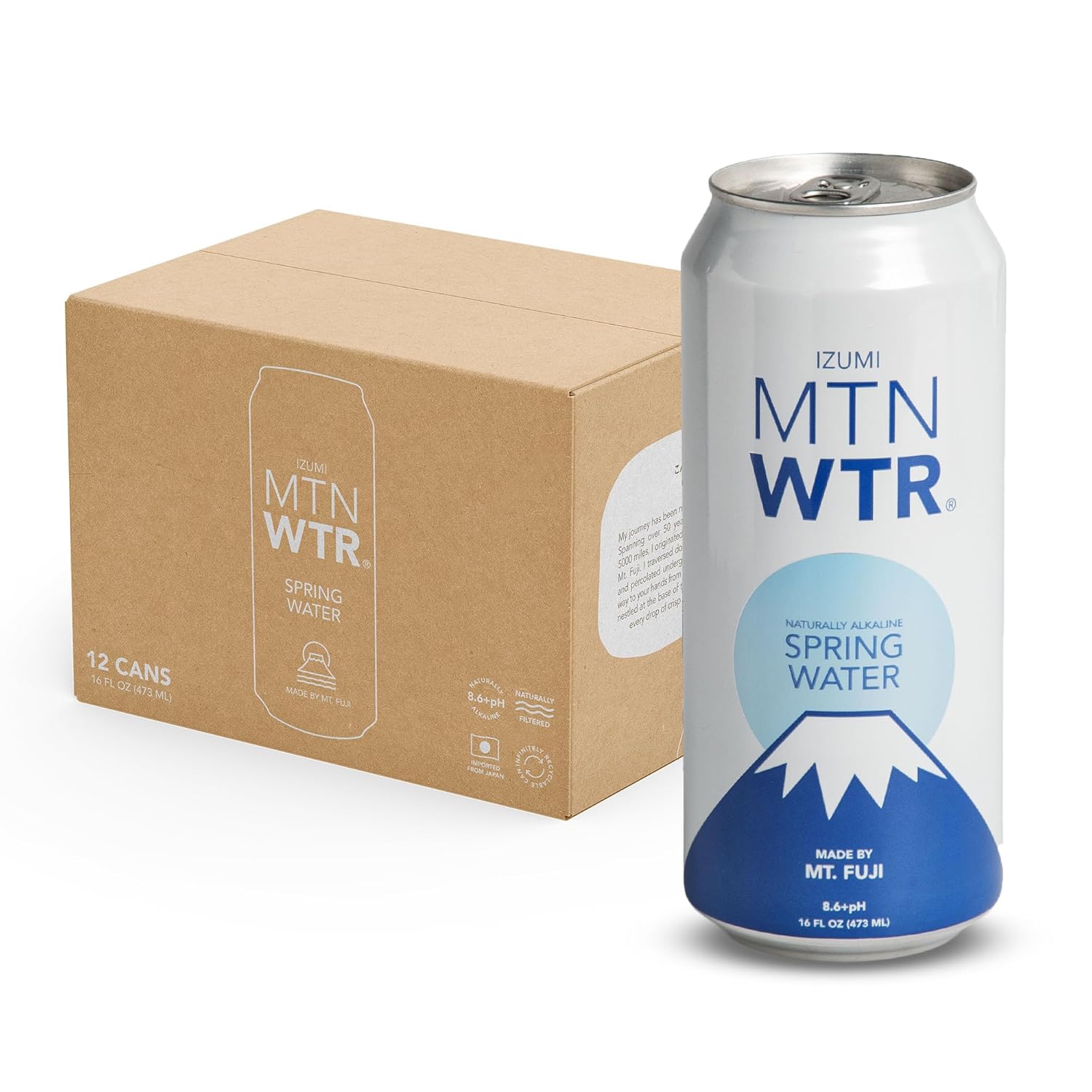
Made by Mt. Fuji, Japan | Naturally Filtered Alkaline Spring Water in 16oz Recyclable Aluminum Cans

What TDS Measures—and What It Misses
TDS meters work by measuring the electrical conductivity of water, which correlates with the concentration of ionized substances such as calcium, magnesium, and sodium. However, this method has critical blind spots:
- Non-ionic contaminants like bacteria, viruses, oils, and many organic chemicals do not affect conductivity and are invisible to TDS meters.
- Heavy metals such as lead and arsenic may be present at toxic levels (parts per billion), far below the sensitivity of most consumer-grade TDS meters (Jones, 2025)
- No specificity: TDS readings cannot distinguish between beneficial minerals and harmful substances. A high reading could reflect healthy mineral content—or dangerous pollutants (envig, 2022)
Examples of Misleading Safety Assumptions
- A glass of water contaminated with E. coli or Cryptosporidium may show a low TDS reading, falsely suggesting purity.
- Water with dangerously high lead levels (e.g., 100x the EPA limit) may still register a TDS of 001 ppm, giving the illusion of safety (envig, 2022)
- Pesticides, pharmaceuticals, and PFAS (per- and polyfluoroalkyl substances) often go undetected by TDS meters despite posing serious health risks (Ziser, n.d.)
Better Approaches to Water Quality Testing
To accurately assess water safety, these multiple testing methods are needed:
- Comprehensive lab testing for specific contaminants
- Microbial analysis to detect bacteria, viruses, and parasites
- Heavy metal screening using atomic absorption or ICP-MS techniques
- Use of certified filters that target known contaminants rather than relying on TDS reduction alone
While TDS meters can be useful for tracking mineral content and changes in water composition, they are not reliable indicators of water safety. Relying solely on TDS can lead to dangerous misconceptions, especially when contaminants like lead or bacteria are present. A multi-parameter approach is essential for accurate water quality assessment.
Types of Drinking Water and their Characteristics
With growing interest in hydration and wellness, consumers face a wide array of drinking water options—each with distinct sources, treatment methods, mineral content, and health claims. This report compares several popular types of drinking water: tap, filtered, spring, mineral, alkaline, Kangen, and distilled water.
| Water Type | Source & Treatment | Key Features | Potential Drawbacks |
| Tap Water | Municipal supply, treated with chlorine/chloramine | Affordable, widely available, regulated by EPA | May contain trace contaminants like lead or microplastics (Still, 2019) (Gordon, 2025) |
| Filtered Water | Tap or well water passed through carbon or reverse osmosis filters | Improved taste, reduced chlorine and sediment | Filters may not remove all harmful substances; maintenance required (Gordon, 2025) |
| Spring Water | Underground aquifers, bottled at source | Naturally filtered, contains minerals like calcium and magnesium | May contain natural contaminants; quality varies by brand (Still, 2019) (Gordon, 2025) |
| Mineral Water | Natural springs with high mineral content | Rich in essential minerals; regulated for composition | Expensive; minerals may be redundant with a balanced diet (Shallcross, 2025) |
| Alkaline Water | Purified water with added minerals or ionized via electrolysis | pH > 7.0; claimed antioxidant and detox benefits | Scientific evidence is limited; excessive intake may cause alkalosis (Shallcross, 2025) |
| Kangen Water | Tap water ionized via Enagic electrolysis machines | High pH (8.5–9.5); marketed for cellular hydration and pH balance | High cost; similar effects to alkaline water; lacks independent studies (De Leon, 2021) (Naturopress, 2023) |
| Distilled Water | Boiled and condensed steam; removes all minerals and impurities | Purest form; useful in medical or lab settings | Lacks minerals; may leach minerals from body over time (Shallcross, 2025) |
Discussion of Key Types
- Tap Water is the most accessible and cost-effective option. It’s regulated for safety but may still contain trace contaminants depending on infrastructure and geography (Healthline, 2025).
- Filtered Water improves taste and removes some impurities, but effectiveness depends on filter type and maintenance (Health, 2025).
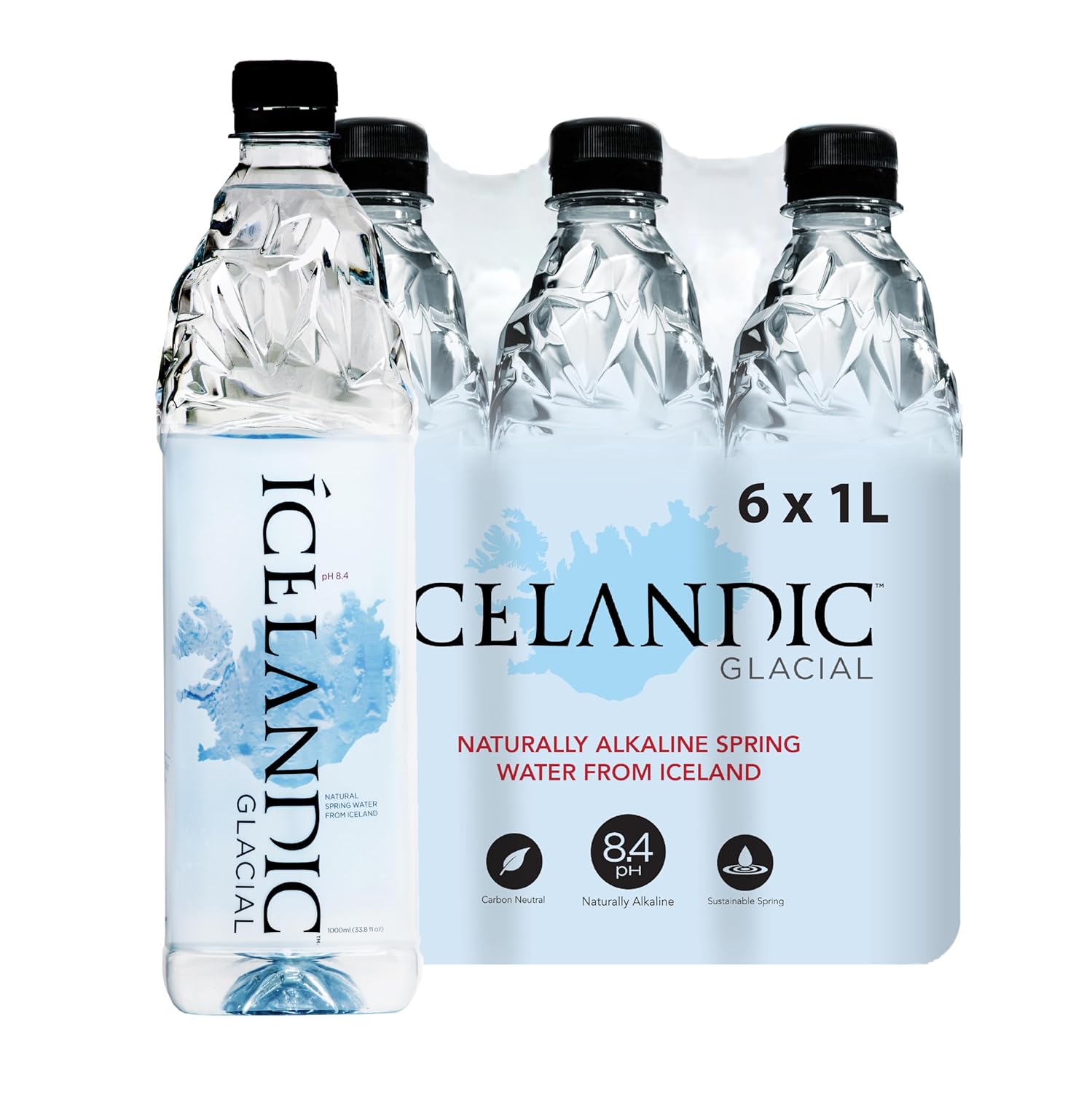
- Spring and Mineral Waters are naturally sourced and often preferred for taste and mineral content. Brands like Icelandic Glacial and MTN WTR offer naturally alkaline spring water with pH levels above 8.0 (Still, 2019) (Gordon, 2025)
- Alkaline and Kangen Water are promoted for their high pH and supposed health benefits. Kangen water is produced via electrolysis and differs from commercial alkaline water, which is chemically enhanced (Doctors on Kangen, 2021; Naturopress, 2025).
- Distilled Water is free of all dissolved solids and microbes, making it ideal for sterile environments but not recommended for regular consumption due to lack of minerals (Healthline, 2025).
Conclusion
Water quality is a nuanced subjective topic that cannot be accurately assessed through a single metric like TDS. While TDS meters offer a snapshot of dissolved solids, they fail to detect harmful contaminants such as bacteria, heavy metals, and synthetic chemicals. Through personal experience and research, it becomes clear that understanding water safety requires a multi-parameter approach; one that considers source, treatment, mineral content, and verified testing. Whether choosing filtered, spring, alkaline, or Kangen water, informed decisions should be based on science, not marketing. Ultimately, safe hydration depends on transparency, regulation, and a deeper understanding of what’s really in our water.
Works Cited
- Crystal Quest. (2025, May 24). What Is a Good TDS Range? Ideal Levels for Taste, Health & Appliances. Retrieved from Crystal Quest Water Filter: https://crystalquest.com/blogs/health-wellness-home/best-tds-for-water
- De Leon, P. (2021, August 3). The Science Behind the Alkalinity of Kangen Water and How it Differs from Other Alkaline Water. Retrieved from Doctors on Kangen: https://www.doctorsonkangen.com/2021/08/03/the-science-behind-the-alkalinity-of-kangen-water-and-how-it-differs-from-other-alkaline-water/
- envig. (2022, April 7). The truth about TDS as a measurement of water quality. Retrieved from envig: https://www.envig.cc/blogs/blog/the-truth-about-tds-as-a-measurement-of-water-quality
- Galloway, J. (2004). Normal TDS of Drinking Water in PPM: Ensuring Good Total Dissolved Solids Levels. Retrieved from My Water Earth & Sky: https://mywaterearth.com/normal-tds-of-drinking-water-in-ppm-ensuring-good-total-dissolved-solids-levels/
- Gordon, S. (2025, January 2). From Alkaline to Tap: What To Know About Different Types of Water. Retrieved from Health: https://www.health.com/types-of-water-8748483
- Jones, A. (2025). TDS Meter Water Quality, Readings, Purity, and the Truth. Retrieved from Epic Water Filters: https://www.epicwaterfilters.com/blogs/news/tds-meter-water-quality-readings-purity-and-the-truth-do-they-work-zerowater-scam
- Naturopress. (2023, September 6). Kangen Water vs Alkaline Water: What’s the Real Story? Retrieved from Naturopress: https://naturopress.com.au/blogs/alkaline-water/kangen-water-vs-alkaline-water
- Safe Drinking Water Foundation. (2017, January 23). TDS AND pH FACT SHEET. Retrieved from Safe Drinking Water Foundation: https://www.safewater.org/fact-sheets-1/2017/1/23/tds-and-ph
- Shallcross, L. (2025, June 19). 10 Types of Water Explained (Who Knew There Were So Many?). Retrieved from Water Filter Guru: https://waterfilterguru.com/types-of-water/
- Still, J. (2019, March 8). Thirsty? Here Are 9 Types of Water You Can Drink. Retrieved from Healthline: https://www.healthline.com/health/food-nutrition/nine-types-of-drinking-water
- Ziser, B. (n.d.). TDS Testing: The Great Deception in Water Quality Analysis. Retrieved from TipaTech: https://tipatech.com/tds-testing/